- Tel: +86 13451474678 / 13451474678
- Email: / hbzinanmech@gmail.com

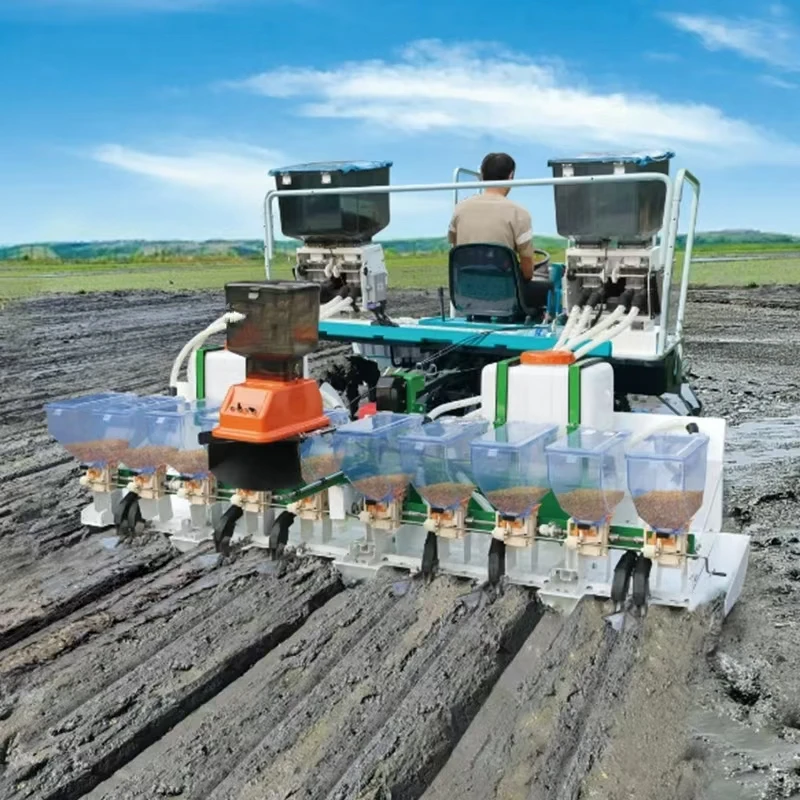
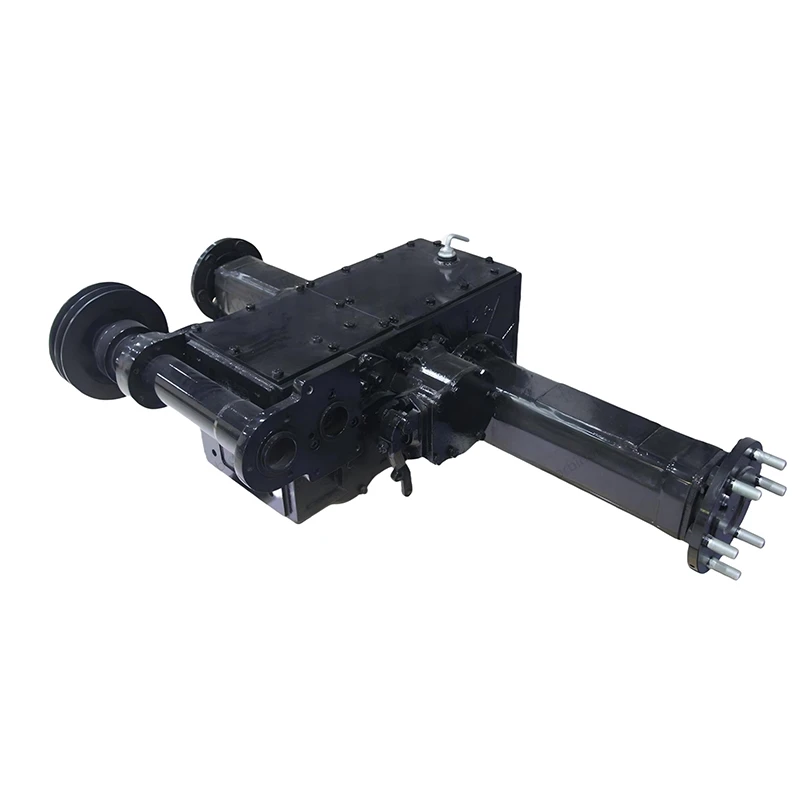
no till seeder
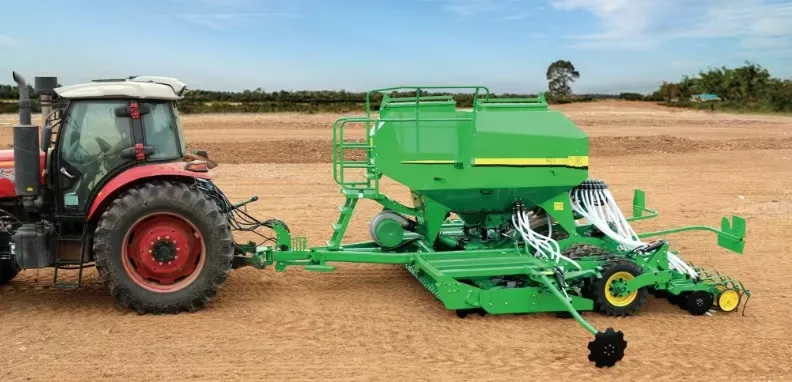
Field Notes: What a modern national multi-crop drill can (actually) do in no‑till I spent a week in Shijiazhuang, Hebei Province—the manufacturing backyard of North China—looking at planters that don’t blink when they see heavy residue. The machine that kept coming up in conversations was a national multi crop seed drill built as an air-suction no‑till unit. Farmers were blunt: “If it can singulate and cut through last season’s straw without drama, we’re listening.” The product in question—the Air Suction No‑Till Seeder from Shijiazhuang—aims at precision planting with less soil disturbance. To be honest, that’s a tall promise; yet in field strips I saw, it held depth like a limpet and didn’t hairpin residue the way some lighter frames do. Industry trend: precision meets conservation Across Asia and Eastern Europe, growers are leaning into no‑till for fuel savings and moisture conservation. What’s changed is metering. Vacuum (air-suction) systems and better downforce control have made the national multi crop seed drill more realistic for maize, soybean, wheat, and even tiny-seed crops like rapeseed. Quick specs at a glance Parameter Air Suction No‑Till Seeder (≈) Row spacing 150–300 mm adjustable Seed types Maize, wheat, soybean, rapeseed (discs changeable) Metering Vacuum singulation, low-loss seed path Openers No‑till double disc with residue managers Downforce 80–200 kg/row (spring + optional hydraulic) Field capacity 1.2–2.5 ha/h (real-world use may vary) Depth precision ±0.5 cm typical in firm seedbeds Fertilizer Starter placement option, 30–50 mm offset Origin Shijiazhuang, Hebei, China Process, materials, and testing Materials: boron-steel discs, heat-treated scrapers, powder-coated frame; 304 SS in seed paths where abrasion is high. Methods: laser-cut frame members, robotic welds, dynamic balance of vacuum fans. Testing standards: ISO 7256-1 seed spacing tests, ASABE S495 singulation checks, and GB/T 24675.x no‑till durability routines. Service life: around 5–8 seasons (≈3,000–5,000 hrs) with routine bushing/disc changes. Industries: row-crop grains, oilseeds, custom planting services, and research plots. Applications and real outcomes Hebei dryland wheat–maize rotation: in a side-by-side strip, fuel use dropped ≈18% and emergence uniformity improved (seed spacing CV down to 12–14%) versus a conventional drill. Another case, Punjab after rice: residue managers prevented hairpinning in damp straw, and growers reported 2–3 days sooner, more even emergence. Many customers say the vacuum disc swap between soybean and maize is “a 10‑minute job, tops.” Vendor comparison (what buyers actually ask) Feature Zinan Air Suction No‑Till Local Assembler Generic Import Seed singulation (maize) ≥95% typical 88–93% 90–94% Residue clearance Aggressive managers, low hairpin Basic Moderate Certifications ISO 9001 factory; CE Varies CE (often) Parts lead time 3–10 days Depends 10–30 days Warranty 12–24 months 6–12 months 12 months Customization and options Buyers can spec disc sets for tiny seeds, add granular fertilizer kits, choose row counts, and integrate GPS guidance or variable-rate drives. It seems trivial, but correct downforce springs for your soil make or break a national multi crop seed drill . Final take If your fields carry residue and moisture matters, an air‑suction, no‑till national multi crop seed drill is not a luxury—it’s a yield insurance policy. The Shijiazhuang unit isn’t flashy; it’s the quiet kind that turns up, plants straight, and goes home early. References ISO 7256-1:1984 — Sowing equipment — Methods of test for evaluation — Part 1: Single seed drills. International Organization for Standardization. https://www.iso.org/standard/13217.html ASABE S495.1 — Uniformity of Seed Spacing of Precision Planters. American Society of Agricultural and Biological Engineers. https://elibrary.asabe.org/ FAO Conservation Agriculture: Key principles and benefits. Food and Agriculture Organization of the United Nations. https://www.fao.org/conservation-agriculture/en/ GB/T 24675.3-2009 — Conservation tillage machinery — No-tillage planter. Standardization Administration of China. http://www.gbstandards.org/GB_standard/GB-T24675.3-2009.html
-
0YEARS IN THE FIELD
-
0 KEXPERIENCED STAFFS
-
-
-
0 kACCOMPLISHED PROJECT
-
0SATISFIED CLIENTS
-
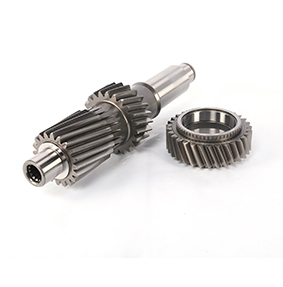
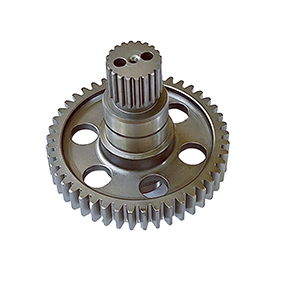
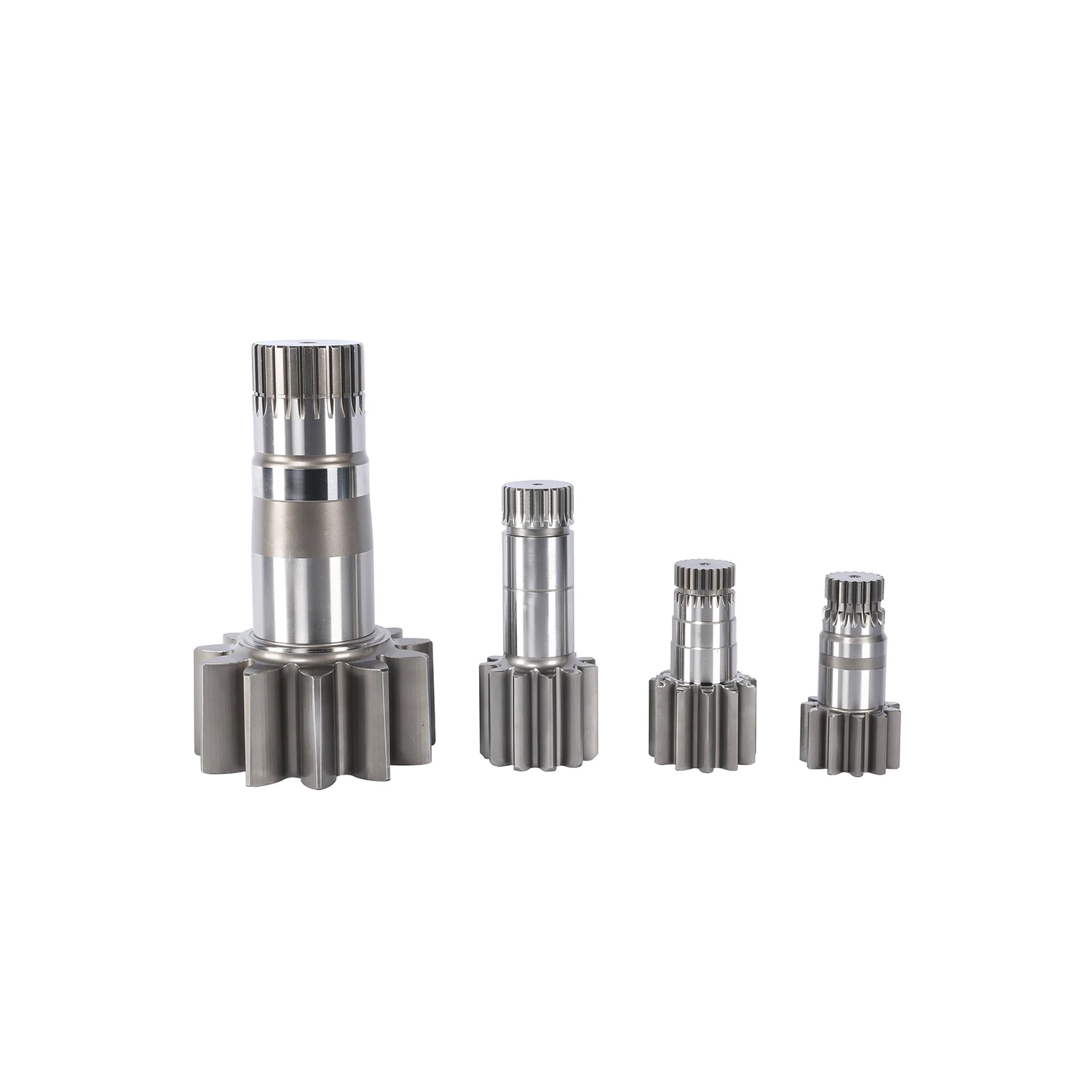
01The Application of Agricultural Machinery Gears In The IndustryAgricultural machinery gears are widely used in the agricultural machinery industry. In tractors, gears are applied to the transmission system. They can transmit the power from the engine to the wheels and achieve different speeds and torques through different gear combinations, so as to adapt to various working conditions such as plowing and transportation.
-
02Application of ComponentsIn agricultural machinery, the gearbox is mainly used to change the transmission ratio. Taking a tractor as an example, when the tractor needs to drive slowly in the field to cultivate the land and other operations, the gearbox can transmit the power of the engine through a lower transmission ratio, thereby outputting a larger torque to ensure that the agricultural machine has enough power to drive the agricultural implement for deep farming and other operations.
-
03Application of Agricultural MachineryField operations: Tractors are one of the most important power machines in agricultural production. In cultivated land operations, it can use powerful power to drive ploughshares to till the land by mounting ploughs to turn, break and level the soil, creating good soil conditions for sowing. For cultivator operations, it can mount cultivators to perform operations such as weeding, loosening and soil cultivation during crop growth to promote the growth of crop roots and nutrient absorption.
International layout
Spread all over the world
Our agricultural machinery products have won wide recognition and trust in the global market, and our sales network covers many countries and regions.

-
2026-04-05 09:46Top Manufacturers for Gears, Shafts, and TractorsChoosing the right gears manufacturers , shafts manufacturers , and tractor manufacturers is crucial>
-
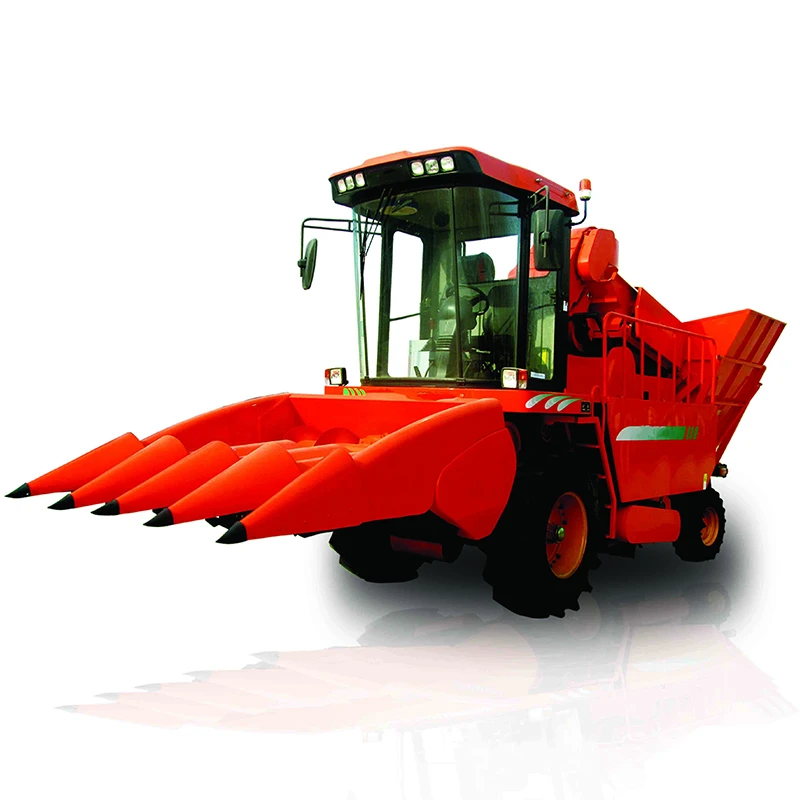
2026-04-05 08:39Efficient Harvesting with Modern Corn HarvestersIn the world of agriculture, efficiency and time-saving tools are essential for ensuring a successfu>
-
2026-04-05 07:25Chain Drive Rear Axle_ Heavy-Duty Performance & Ultimate DurabilityIntroduction to Advanced Drive Axle Technology In the realm of heavy-duty machinery and industrial a>
Sign up
for Newsletter
Subscribe to the weekly newsletter for all the latest updates